
To our esteemed community,
It is with a mix of pride and deep gratitude that we announce the conclusion of the Open Restitution Africa project.
Six years ago, in the midst of a global pandemic, the idea for this project was born from a chance interaction at a museums conference in Windhoek, Namibia where we were deeply inspired by the depth of perspective that African practitioners shared about their experiences working in restitution and, at the same time, astounded by how invisible this hard-won knowledge and grassroots strategies were online. In response, we embarked on building ORA with the goal of making information on restitution in Africa more transparent, more visible, and more centralised for those engaged in the work.
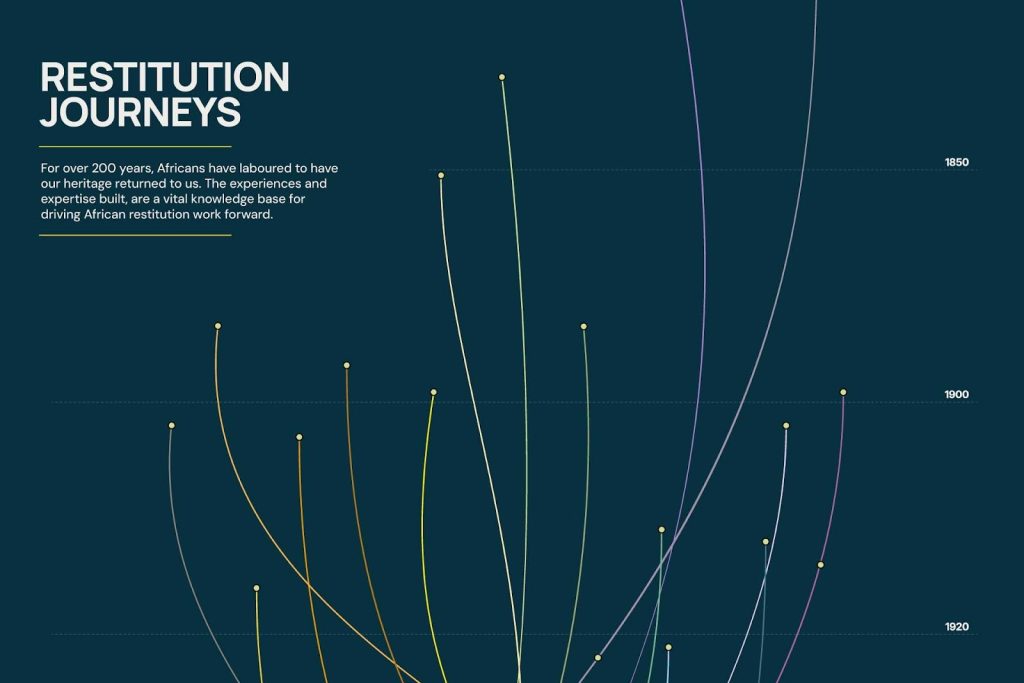
Initially, we envisioned a database that would trace when and where cultural belongings were returned. Soon after, we realised that the most crucial question was not just when or where, but how. How have Africans navigated restitution in previous years, and how is it taking place today?
By centering restitution as a process rather than a singular event, we were able to surface the invisible work that underpins the core labour of restitution — the long periods of waiting, the multiple unanswered emails and letters, the drawn-out negotiations, the tensions and breakthroughs between communities and national governments.
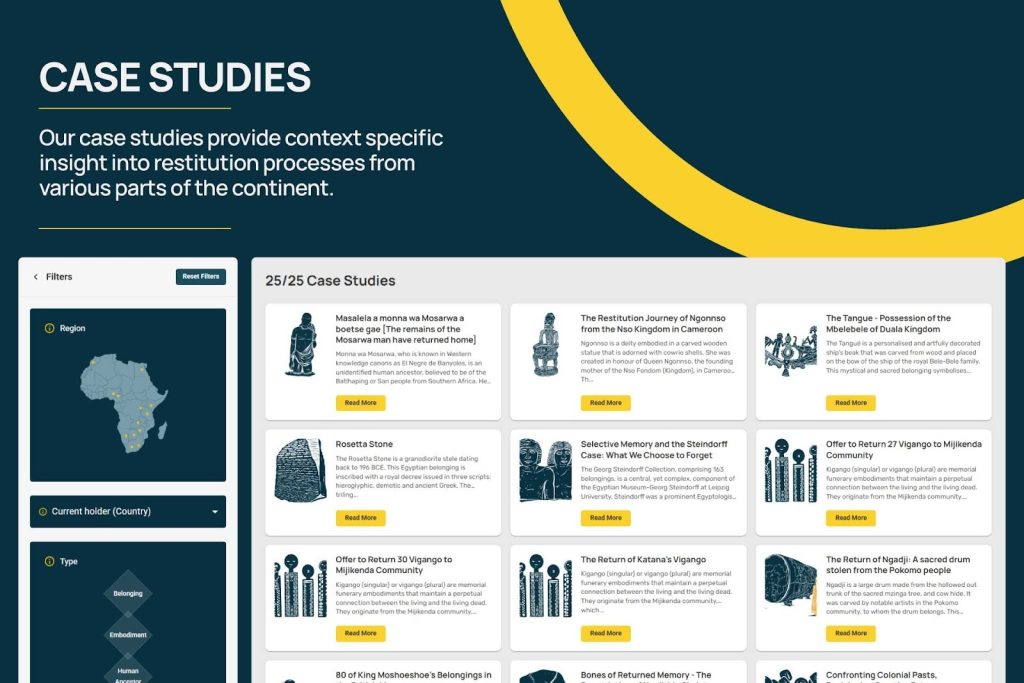
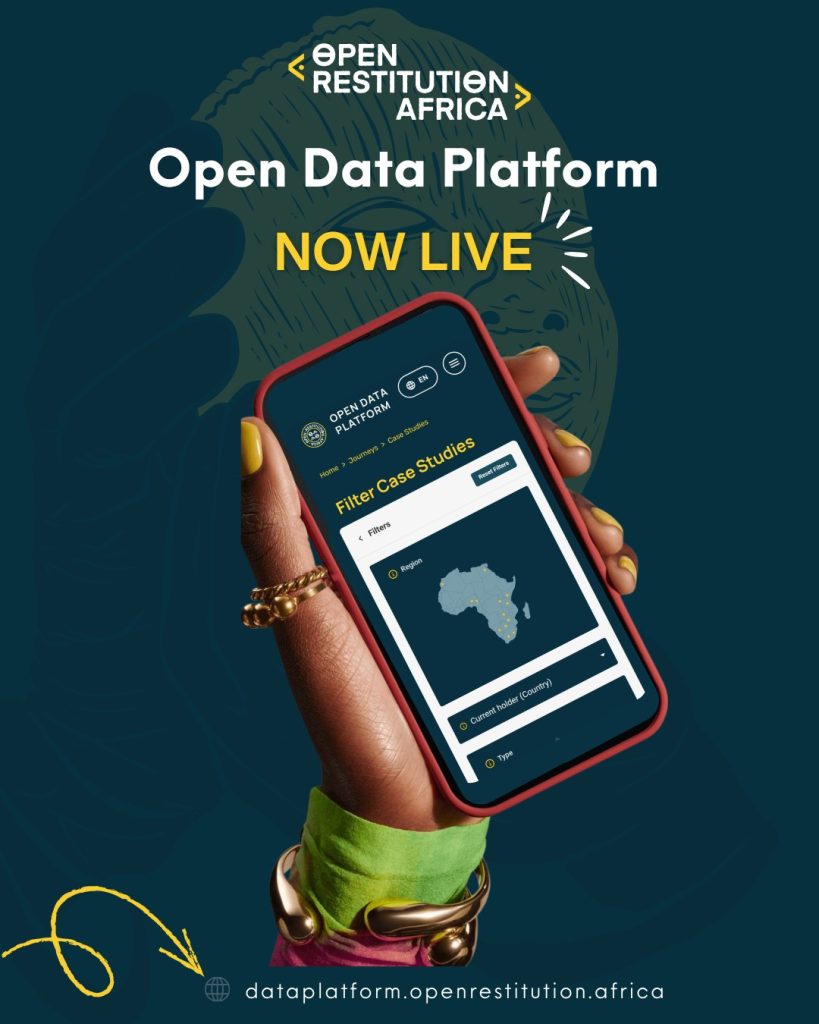
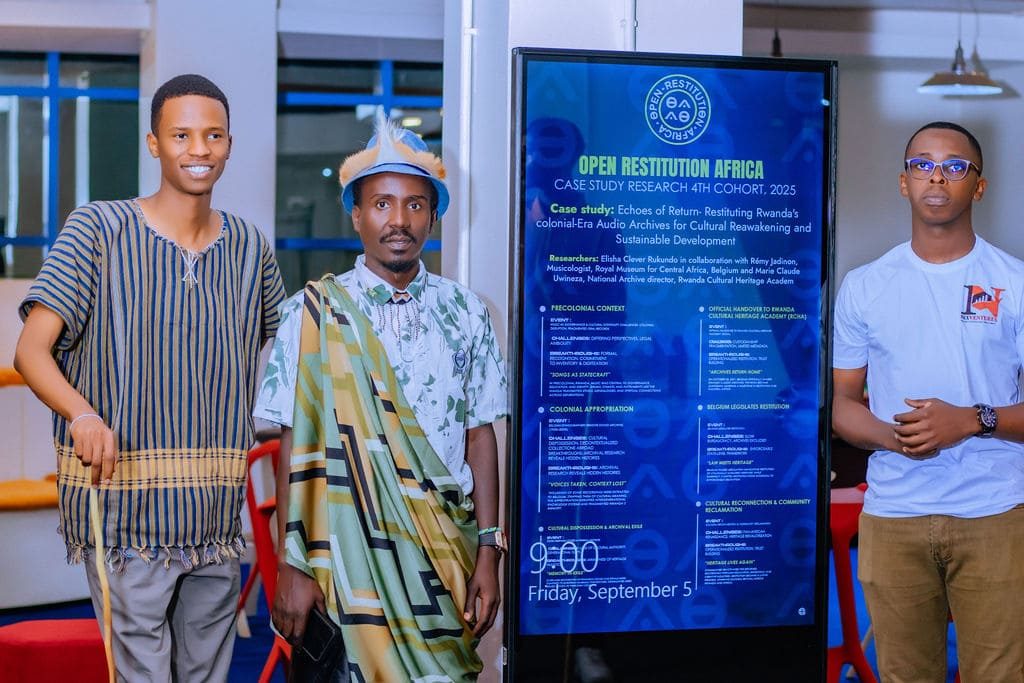
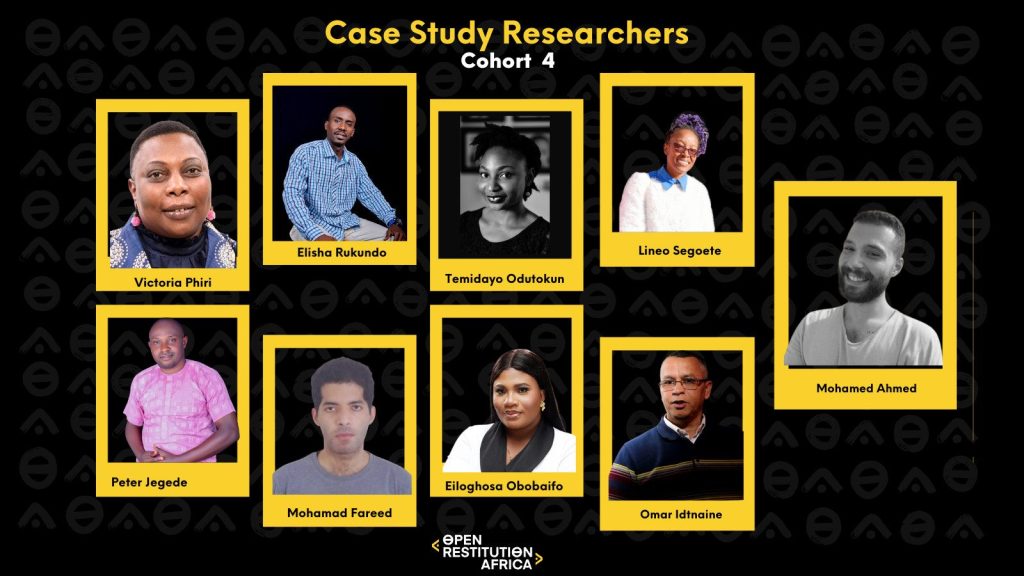
What we have built, and what we are pleased to hand over to you today, is a platform that makes visible the work that takes place behind closed doors, the many ways communities have kept their heritage alive and the lived experiences of Africans working in restitution at various levels. It is this knowledge, documented in a series of 25 in-depth case studies spanning 13 African countries that we hand over to you. Along with:
- An explainer video series ‘Restitution 101’ available in English, French, Swahili (subtitles) and Portuguese (subtitles)
- A podcast series ’Access For Who’ on digital restitution and its ethical imperatives
- A webinar series ‘Restitution Dialogues’
- A guideline on developing restitution policies and legislative frameworks in Africa
- A directory of African restitution practitioners across – countries
- A directory on restitution policies and legislations in Africa and Europe
- A series of three data stories with insights on restitution experiences across Africa
- A policy brief on working with inventories
- A report on narratives and restitution in Africa ‘Reclaiming Restitution’
- Our research methodology
- A guide on how to conduct field work in restitution
- A data sheet on how to interpret and use our open data sets
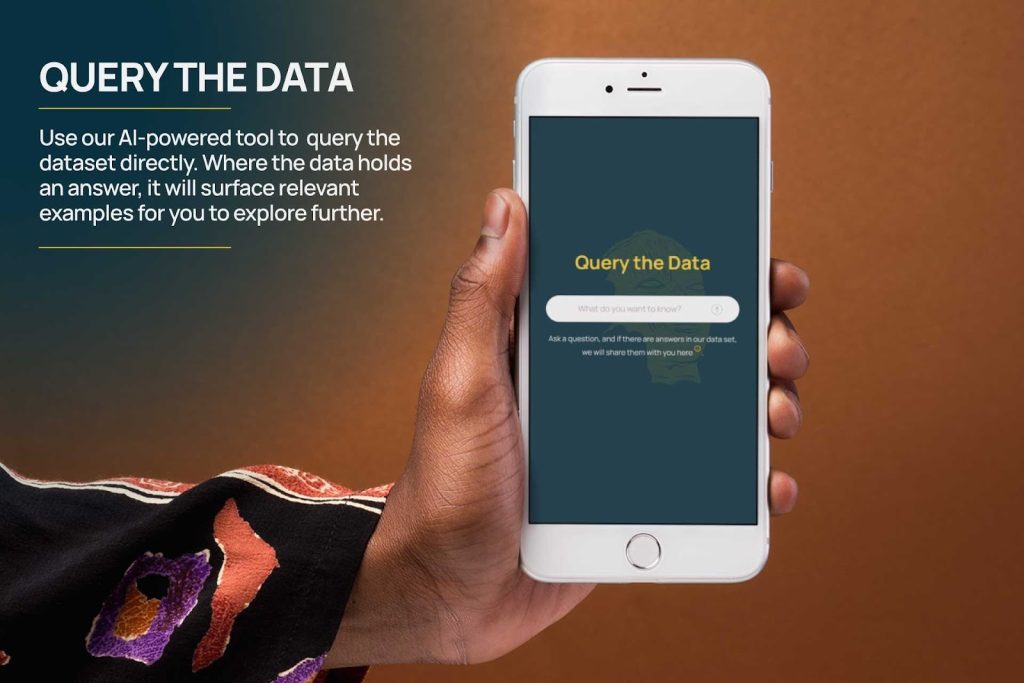
- An open data platform consisting of;
All freely available for use and download.
Endings are rarely easy, and we understand there remains a lot of work to be done. As momentum for reparations and restitution builds at regional and global levels, our departure does not signal an end to this work. For the past year, we have asked ourselves what it means to end this project responsibly. We have consulted multiple stakeholders across the continent and had several sessions amongst ourselves on how we can hand over our work and resources to a wider community of practice.
We are pleased to share that we have partnered with other organizations who will carry this work forward: Free Knowledge Africa, who will integrate the grass roots knowledge we’ve gathered into Wikipedia and Wikidata to ensure it remains discoverable and durable well beyond our own platform African Futures Lab, Reform Initiative and Pan African Lawyers Union who will carry this knowledge into policy, reparatory justice, and diaspora advocacy spaces where it can continue to inform and strengthen the wider movement for restitution and repair.
Through this project, we have come to understand restitution as a profound call by those furthest from justice for courage: courage to face the pain of centuries of destruction; courage to start a process that likely has no end; courage to call people into relation; courage to put pieces back together; courage to stay with the trouble, to commit to discomfort and conflict in search of resolution; courage to listen deeply to things that hurt, and to tend to the hurt of others. And courage, most of all, to work toward repairing ourselves and our societies.
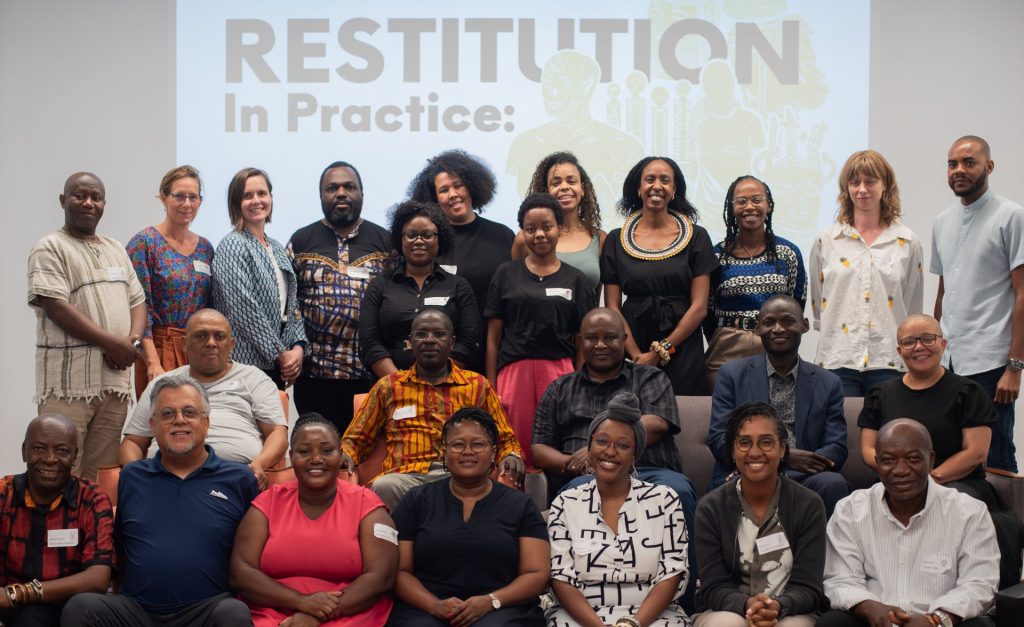
This is not a goodbye to the work. We hope that the knowledge, tools, and relationships built over these six years go on to inspire questions we ourselves never thought to ask. We are endlessly grateful to the team that have journeyed with us and to the practitioners, researchers, communities, institutions and funders who trusted us and shaped this project alongside us. Thank you for six years of learning together
With gratitude,
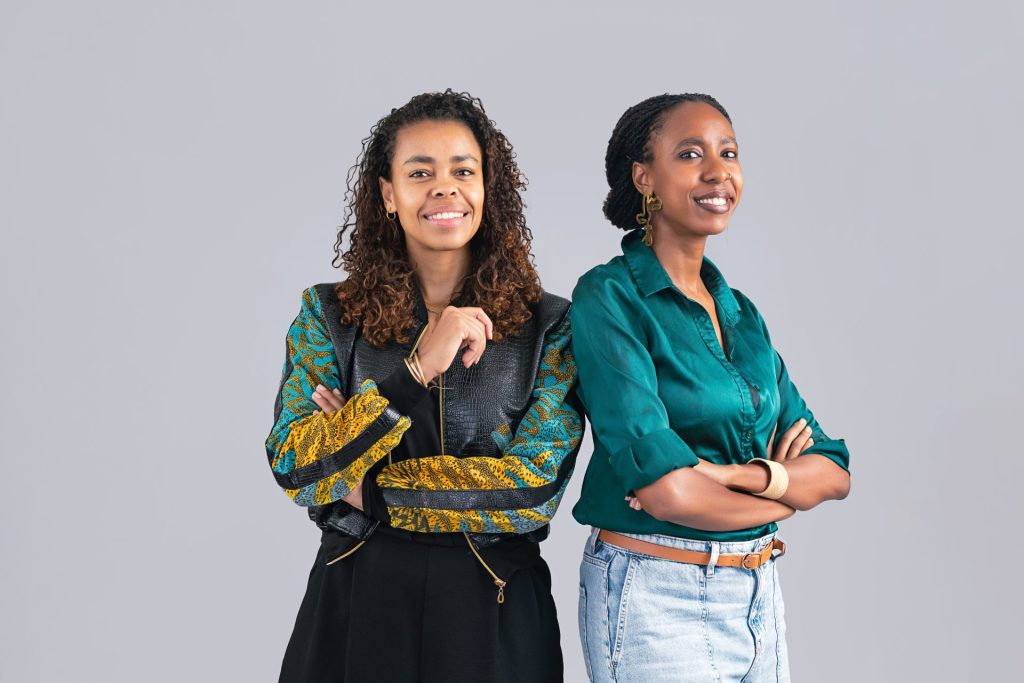
Chao Tayiana and Molemo Moiloa