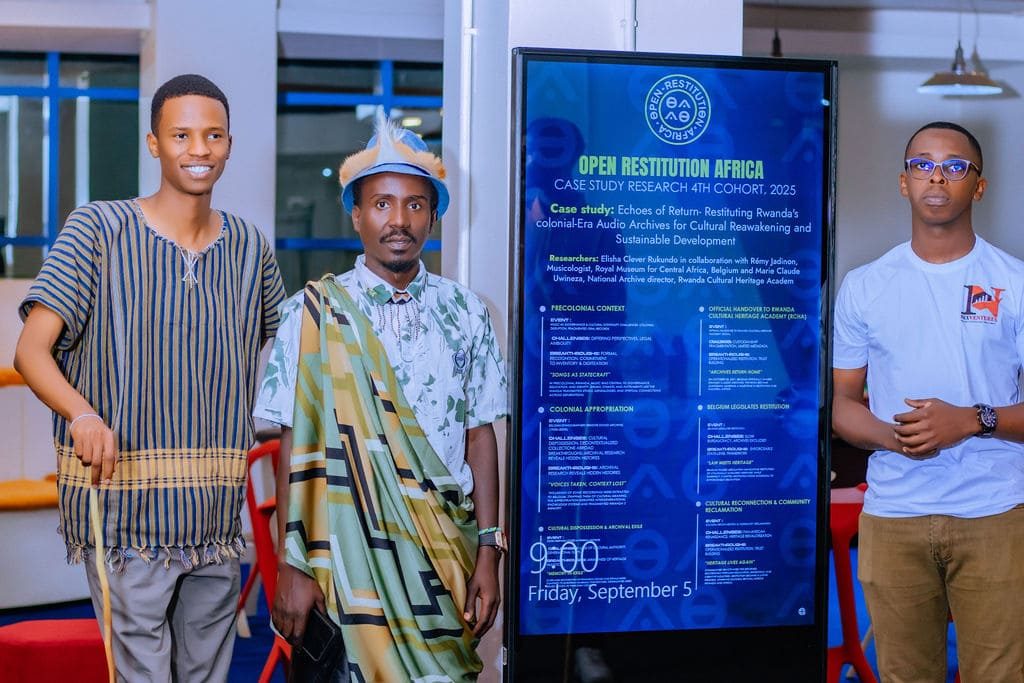
Open Restitution Africa (ORA) et Free Knowledge Africa are pleased to announce the African Restitution Knowledge Project, a campaign designed to improve public knowledge about African restitution efforts through high-quality contributions to Wikipedia and Wikidata.
The collaboration addresses two overlapping gaps: the underrepresentation of Africa-centred restitution knowledge, and the underrepresentation of African entries on Wikipedia, the world’s largest open knowledge platform.
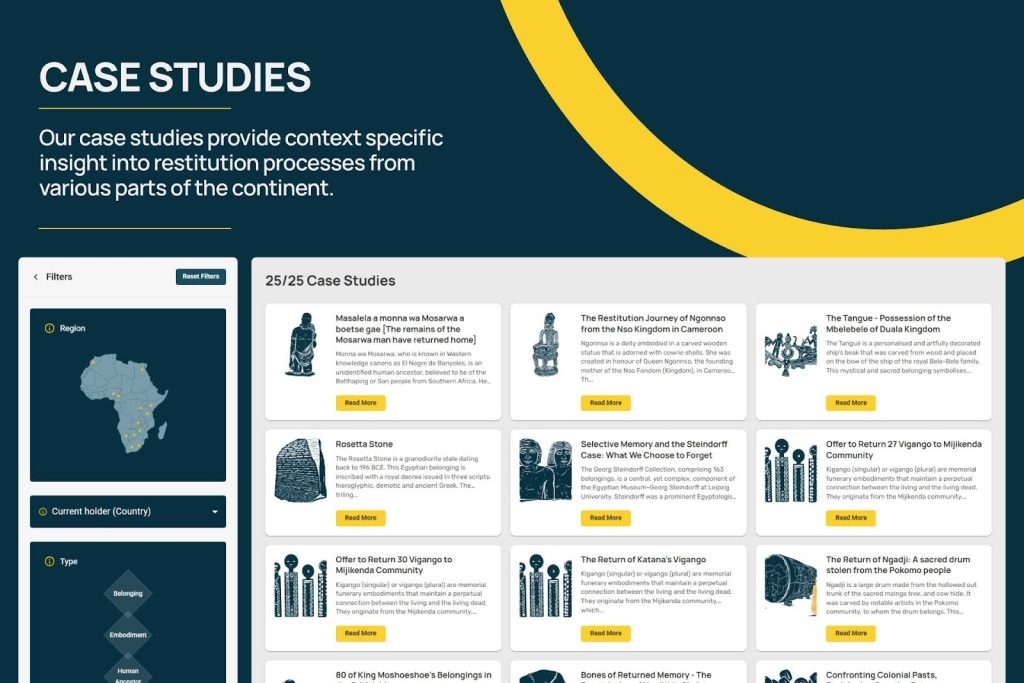
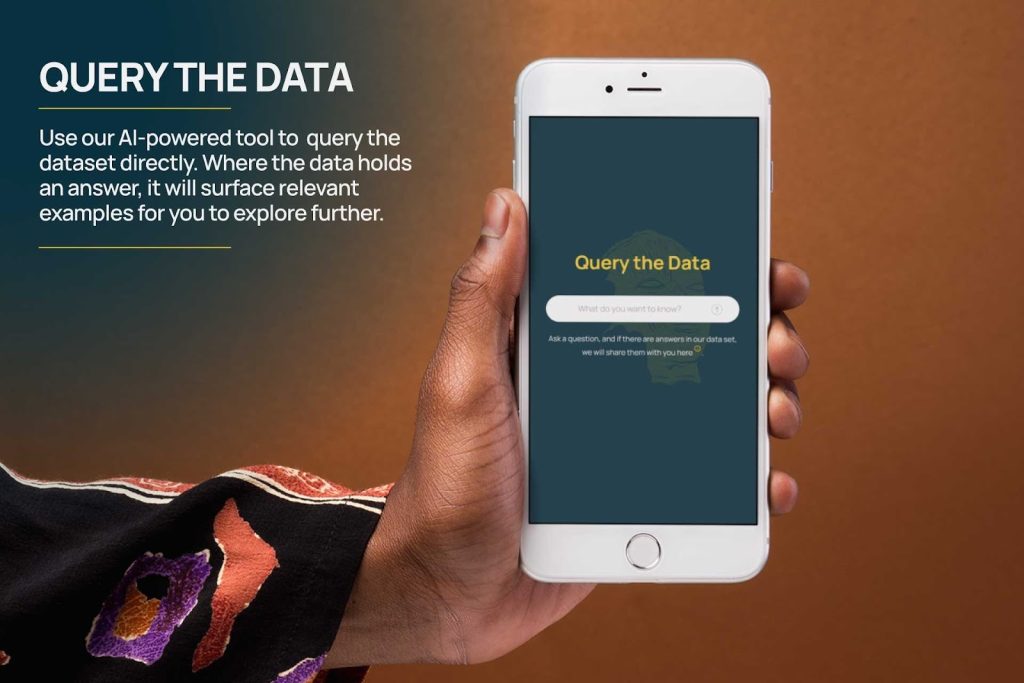
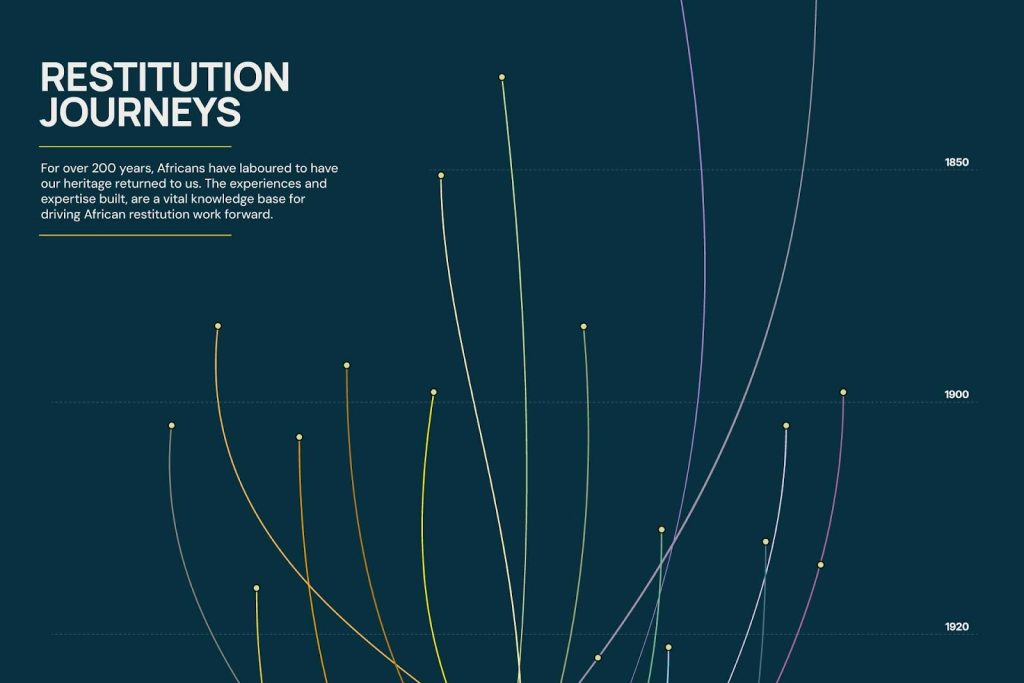
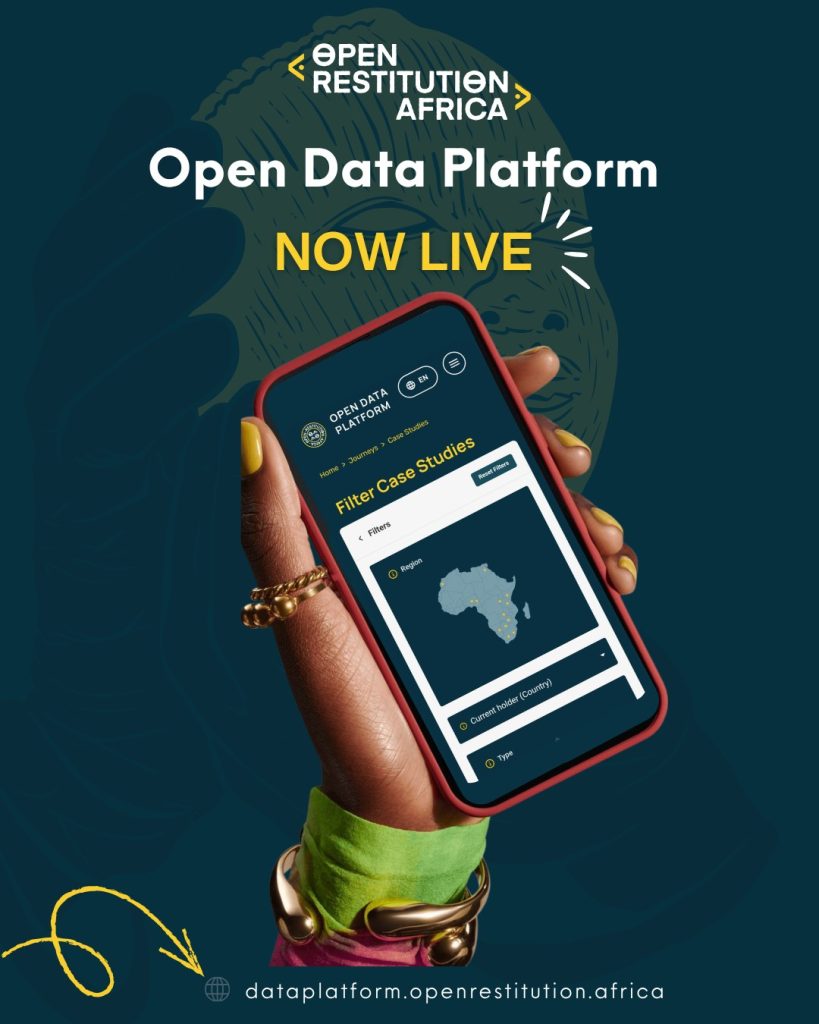
For decades, Africans have advocated and campaigned for the restitution of their cultural heritage. Yet information on the strategies and complexities behind that work has remained gravely underrepresented on online platforms. Open Restitution Africa was founded in 2020 to address this gap. In 2026, the project launched the ORA open data platform, bringing together for the first time a rich and extensive corpus of African restitution experiences, strategies and insights. The platform features 25 in-depth case studies gathered from 12 African countries.
Despite accounting for 17% of the world’s population, recent figures show that only 1.5% of Wikipedia’s editors come from Africa. Between January and June 2025, Sub-Saharan Africa generated 178 million monthly page views on Wikipedia yet this consumption has minimally translated into African-led content creation. By working directly with Wiki communities based on the continent and drawing on Africa-centred data sets, the collaboration seeks to improve both the accessibility of African content and the representation of African editors on the platform.
“By integrating the knowledge we have gathered primarily through oral history into platforms such as Wikipedia, we hope to make this content more accessible while adding a distinct Africa centred lense to a conversation that has long prioritised Western perspectives and sources.” – Chao Tayiana, Co-Founder Open Restitution Africa.
“We are excited to collaborate with Open Restitution Africa to improve the visibility of African restitution efforts on the world’s largest open knowledge platforms. By bringing African-led research and lived experiences to Wikipedia and Wikidata, we are ensuring that these important stories are more discoverable, accessible, and reflective of African perspectives.” – Isaac Oloruntimilehin, Co-Founder, Free Knowledge Africa
This collaboration which begins with a pilot project running July – August 2026 aims to:
- Improve the coverage and quality of African restitution content on Wikipedia.
- Expand structured cultural heritage data on Wikidata.
- Increase public discoverability of African restitution case studies.
- Engage Wikimedia contributors through a focused editing campaign.
ABOUT
OPEN RESTITUTION AFRICA
Open Restitution Africa (ORA) est une initiative panafricaine, menée par des femmes et fondée en 2020 par Molemo Moiloa et Chao Tayiana Maina, afin de centraliser et de documenter les informations relatives à la restitution des biens africains et des ancêtres. Grâce à sa plateforme de données ouvertes et à des études de cas fondées sur la recherche et couvrant plus de 200 ans, ORA fournit aux praticiens et aux communautés un savoir accessible et centré sur l'Afrique. En valorisant le leadership et l'expérience vécue des Africains, ORA redéfinit le discours sur la restitution en l'orientant vers la responsabilité, l'équité et des processus définis par les communautés.
FREE KNOWLEDGE AFRICA
Free Knowledge Africa is a nonprofit organisation that seeks to promote free and open knowledge by Africans in travel, sports, tourism, geography, and cultural heritage, towards sharing and contributing to global knowledge.